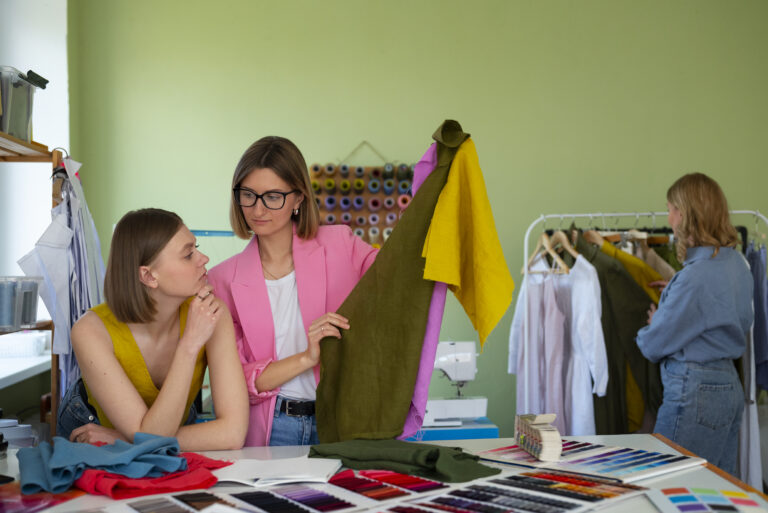
Growing a fashion label is not just about design talent or a strong social media following. Behind every successful apparel brand sits a production system that can keep up with orders, maintain quality, and adapt as the business changes. This is where custom clothing suppliers come into the picture. They are not just factories that stitch fabric together; they are partners who shape how quickly a brand can grow, how consistent its quality stays, and how much room it has to experiment with new products.
At MYA Graphic, we work with founders at every stage, from a single small batch order to full-scale seasonal collections. This article walks through why the right manufacturing partner matters, what to look for, and how the relationship directly affects your ability to grow a fashion business without losing control of quality or cost.
Consumers no longer want generic, mass-produced clothing. They want pieces that reflect a specific identity, whether that’s a streetwear brand with a distinct logo, a gym label with performance fabric, or a small boutique building a signature look. This shift has pushed independent designers and small business owners to seek manufacturing relationships that can produce smaller runs without sacrificing quality.
The problem many brand owners run into is production capacity. A designer might have an incredible product idea, a loyal customer base, and a marketing plan ready to go, but without a manufacturing partner who can produce at volume and on schedule, none of that matters. Orders get delayed, quality becomes inconsistent, and customers lose trust. This is precisely the gap that experienced custom clothing suppliers fill.
Scaling a fashion brand means more than selling more units. It means building repeatable systems for sourcing fabric, cutting patterns, sewing, quality control, and shipping, all while keeping costs predictable. Trying to manage this in-house, especially in the early stages, drains time and capital that could otherwise go toward marketing, product development, or customer service.
A dependable manufacturing partner brings structure to these moving parts. Instead of managing five different vendors for fabric, printing, sewing, and packaging, a single point of contact handles the entire production pipeline. This matters most when a brand needs to move quickly:
These advantages compound over time. A brand that can produce reliably and affordably has more room to reinvest profits into growth rather than fixing production mistakes.
Speed matters in fashion. Trends shift within weeks, and a brand that takes three months to restock a popular item will lose sales to competitors who can move faster. Established manufacturing partners already have systems, staff, and equipment in place, which means production timelines shrink dramatically compared to building an in-house facility from scratch.
Fabric sourcing is one of the most overlooked parts of apparel production. Independent brands often pay retail prices for materials because they lack the relationships or order volume to access wholesale rates. Working with an established supplier opens doors to better fabric options, often at a fraction of the cost a solo brand would pay on their own.
As order volume grows, the cost per unit should shrink. This only happens with a manufacturing partner who has the infrastructure to handle bulk production. Bigger runs mean lower fabric costs, reduced labor cost per piece, and better shipping rates. Without this kind of partnership, many brands hit a ceiling where growth actually becomes less profitable instead of more.
Not every brand needs a large-scale manufacturing relationship right away. But there are clear signals that a business has outgrown small, ad-hoc production methods. If your team spends more time chasing fabric vendors than designing new pieces, that’s a warning sign. If order fulfillment is taking longer with each new batch, that’s another. And if quality control has become inconsistent because production is spread across too many small shops, it’s time to consolidate.
A single reliable relationship with a manufacturing partner solves these problems at once. It replaces guesswork with a repeatable process, and it gives brand owners the bandwidth to focus on what actually drives sales: design, marketing, and customer relationships.
At MYA Graphic, our approach centers on building long-term partnerships rather than one-off transactions. We understand that every brand has different needs, from fabric weight and print technique to order size and turnaround expectations. Our team works closely with each client to map out a production plan that fits their growth stage, not a one-size-fits-all package.
We handle everything from initial sample development to full production runs, with quality checks built into every stage. Whether a brand is placing its first order or scaling into thousands of units per month, our production capacity and printing technology are built to support that growth without compromising on stitching quality or print durability.
Product quality directly affects how customers perceive a brand. A shirt that shrinks after one wash, a print that cracks within weeks, or sizing that varies from batch to batch will damage customer trust faster than almost anything else. This is why choosing among custom clothing suppliers should never come down to price alone. The cheapest option often costs more in the long run through returns, refunds, and lost repeat customers.
Brand owners who prioritize quality control from the start tend to build stronger, more loyal customer bases. Reviews, word-of-mouth referrals, and repeat purchases all trace back to a product that performs as promised. A manufacturing partner that takes quality seriously becomes an extension of the brand itself, protecting its reputation with every shipment.
Switching manufacturing partners frequently creates friction. Every new relationship requires time to communicate specifications, approve samples, and iron out production quirks. Brands that find a partner early and grow with them over time tend to see smoother operations and better pricing as order volume increases.
This is one of the biggest advantages of working with established custom clothing suppliers rather than piecing together production through multiple small vendors. Consistency in communication, materials, and process becomes a competitive advantage, especially as a brand scales into new product categories or markets.
Some practical steps for building this kind of relationship include:
A strong working relationship built on these basics tends to produce far better results than constantly searching for the lowest bid.
Many new brand owners make the mistake of selecting a manufacturing partner based purely on the lowest quoted price. While budget matters, especially in the early stages, choosing based on cost alone often leads to inconsistent quality, missed deadlines, and hidden fees that surface later. Reading reviews, requesting samples, and asking direct questions about production capacity can save significant time and money down the line.
Another common mistake is failing to plan for growth. A supplier who works well for an order of fifty units may not have the infrastructure to handle five thousand. Brand owners should ask upfront about maximum production capacity, average lead times at scale, and how the supplier handles seasonal demand spikes. This kind of due diligence prevents painful transitions later when a brand suddenly outgrows its current setup.
Scaling a fashion business takes more than a great product idea. It requires a production system that can grow alongside demand without sacrificing quality or blowing past budget. This is exactly the role that experienced custom clothing suppliers play in a brand’s journey, turning inconsistent, stressful production into a repeatable process that supports long-term growth.
If your brand is ready to move past small, unpredictable production runs and build a manufacturing relationship that actually supports scaling, our team at MYA Graphic is ready to talk through your specific needs and map out a plan that fits your goals. Reach out through our website to start the conversation and see how a dedicated production partner can change the trajectory of your business.
